Hedgehogs & Microplastics
A new UK study funded by the British Hedgehog Preservation Society has revealed that the majority of pet food products tested contain microplastics, raising concerns about animal health and the spread of plastic pollution into the environment.
Researchers from the University of Sussex and the University of Exeter analysed 38 dog, cat and hedgehog food products sold across the UK and found that 76% of the brands tested contained microplastics. Lower-cost products showed the highest levels of contamination, followed by mid-range products. Premium brands generally contained fewer particles, although some were still affected.
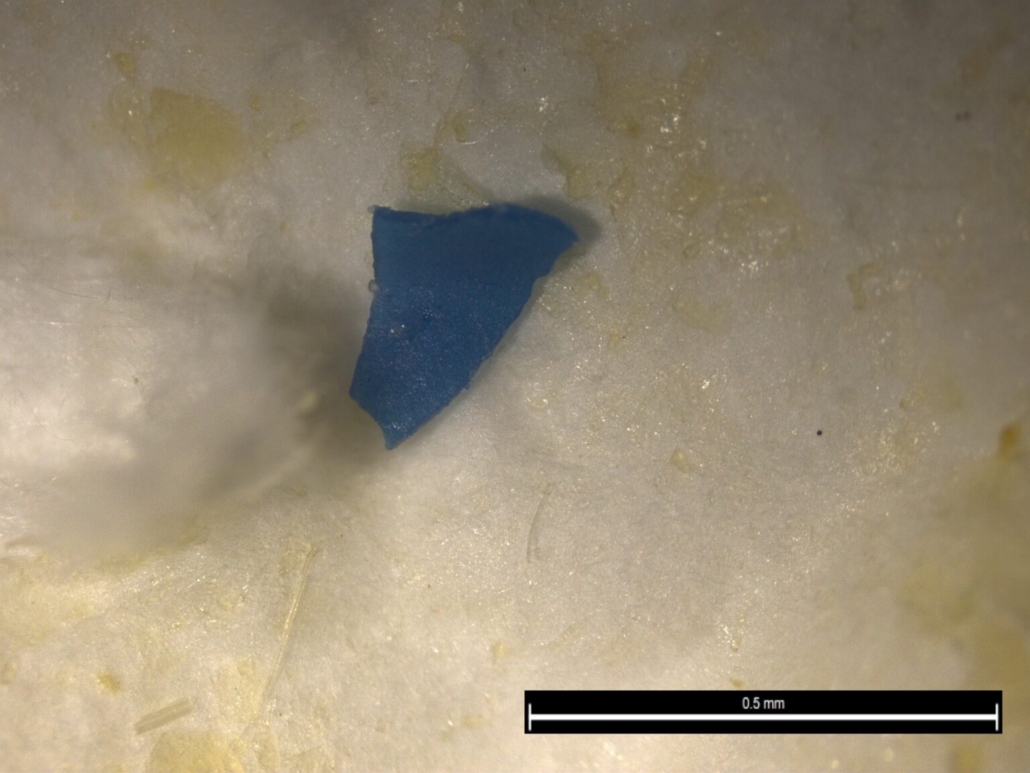
The study, published in Environmental Toxicology and Chemistry, estimates that dogs, cats and even garden hedgehogs could ingest significant numbers of microplastic particles through their food. These particles are then excreted, potentially spreading plastic pollution into soils and natural habitats.
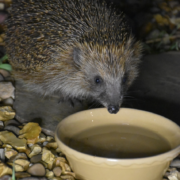
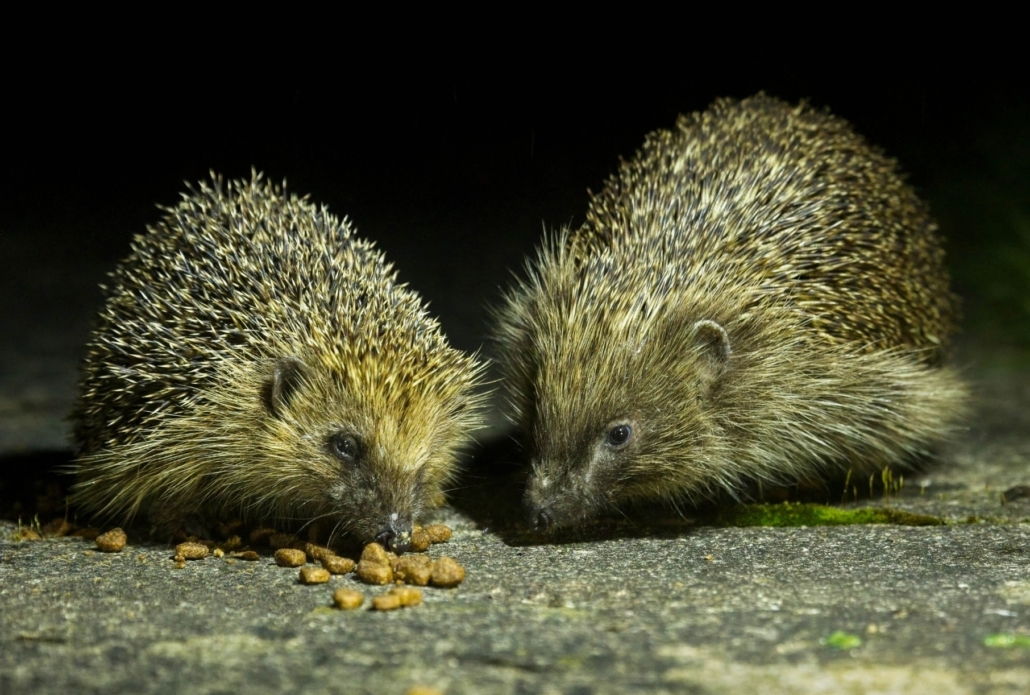
Hedgehogs, which are often fed supplementary food in gardens, could ingest between 6 and 105 microplastic particles per day, according to the research.
Lead researcher, PhD student Emily Thrift said the scale of contamination was significant. “We found microplastics in 16 out of the 19 brands we tested, including very well-known ones,” she said, adding that the findings point to a “major, previously overlooked pathway” for plastics to enter terrestrial ecosystems.
Fay Vass, Chief Executive for BHPS said: “While this study identified microplastics in many pet food samples tested, further research is needed to understand any potential impact on hedgehog health and populations.
“Microplastics are an increasing presence across the natural environment and food chain, which is a wider issue of growing concern that must be addressed.
“In the meantime, our guidance on supporting hedgehogs remains unchanged: creating connected, organic, invertebrate-rich habitats should be the priority, alongside responsible supplementary feeding where appropriate.”
While the study did not focus on health impacts, researchers noted that the presence of microplastics in pet foods could have implications for both domestic animals and wildlife.
The team is calling for further investigation into how microplastics enter pet food, including whether contamination occurs during ingredient sourcing, manufacturing or packaging. They also urge tighter monitoring of animal feed products.
For more information, visit https://www.hedgehogstreet.org/hedgehogs-and-microplastics/ or read the full report